

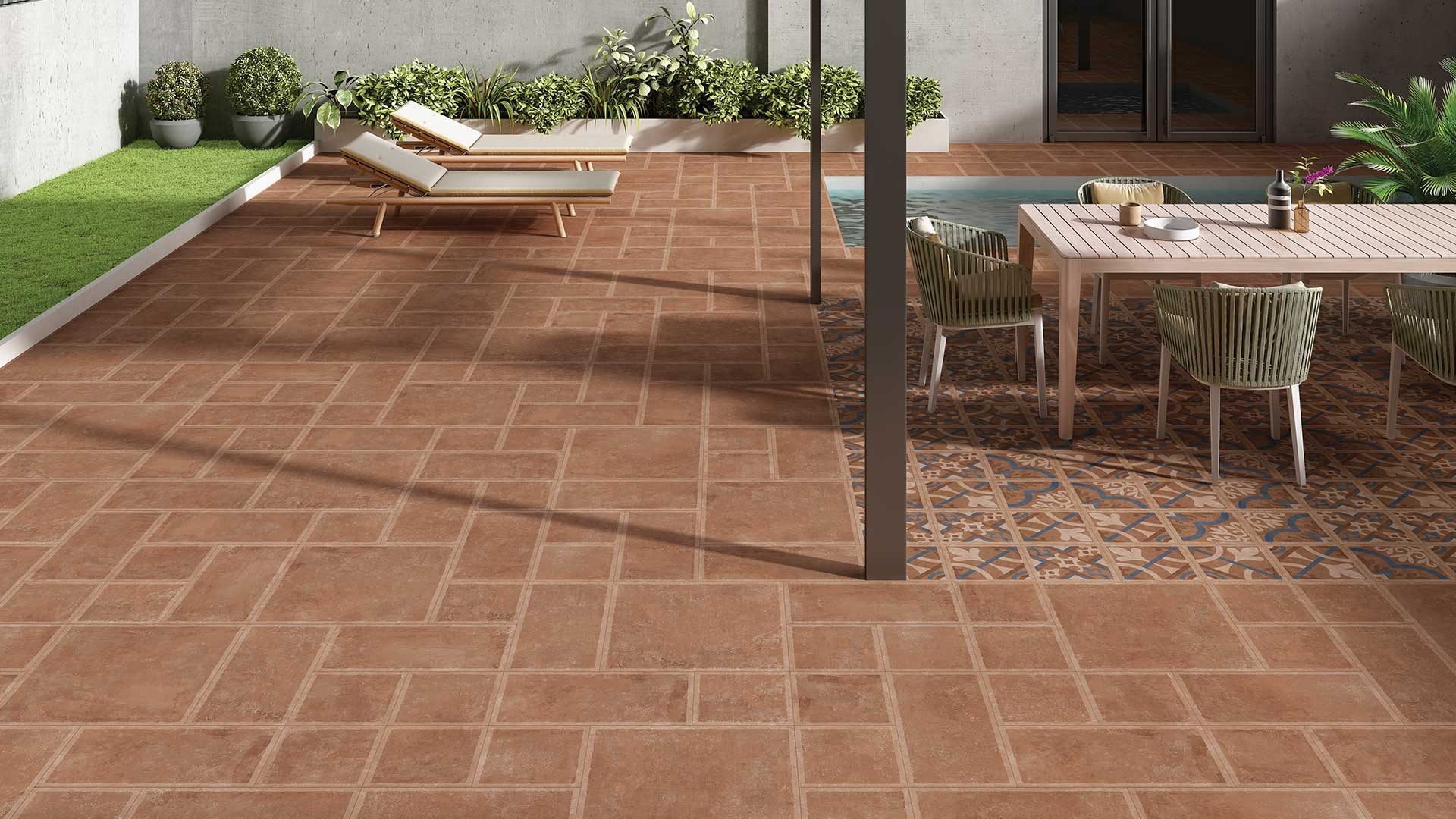
How to Choose the Best Tiles for Your Outdoor Spaces
Introduction
There’s something special about stepping outside and instantly feeling at ease, isn’t there? When was the last time you paused to soak in the sun on your patio, listened to the gentle breeze on your balcony, or wandered down a garden path just to clear your mind? These are the moments where outdoor spaces work their quiet magic, inviting us to relax, recharge, and make unforgettable memories. The magic of an inviting retreat truly starts from the ground up, with the right choice of tiles. Selecting the right outdoor tiles lets you create a setting for life’s best moments. Whether you’re envisioning a tranquil nook for morning coffee or a lively area for entertaining, the right tiles can transform your outdoor space into a beautiful, seamless extension of your home.
Let’s walk through the key steps to finding outdoor tiles that will make your space the backdrop for your favorite memories.
1. Assess Your Outdoor Space
Before choosing outdoor tiles, carefully assess your space to ensure you select materials that are both functional and visually appealing. Start by identifying the type of area you plan to tile, whether it’s a patio, balcony, poolside, walkway, or another outdoor setting. Pay attention to how exposed the area is to the elements. Observe which parts receive direct sunlight, which are shaded, and whether the space is prone to wetting, such as around a pool or on a garden pathway. These factors will help you determine the right type of tile; some materials are better suited for sun, shade, or wet conditions. Also, examine the existing surface where the tiles will be installed. Is it flat and level, or will it need preparation before tiling? Consider the style and color scheme of your space’s exterior when choosing tiles that complement the overall look. By thoroughly assessing your outdoor space, you’ll be equipped to select tiles that are not only beautiful but also practical for your unique setting.
2. Understand Tile Materials
Each tile material offers a distinct feel, so understanding its unique qualities is essential for making the right choice for outdoor use.
Porcelain
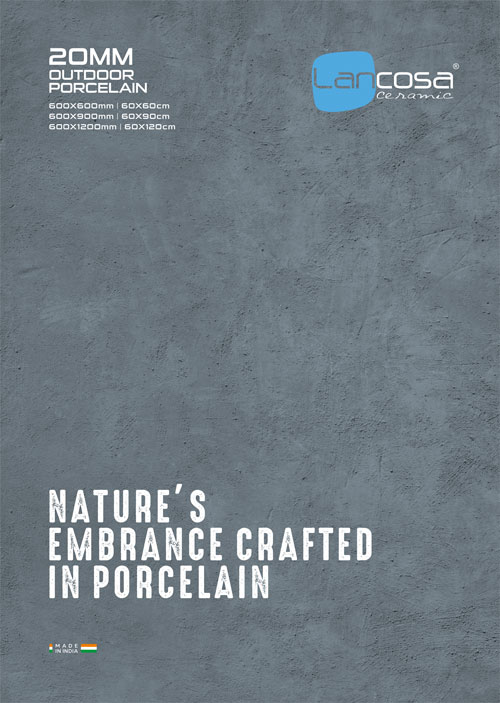
Porcelain is one of the most popular choices for outdoor areas. Its dense composition makes it highly durable and moisture-resistant, ideal for patios, walkways, and pool surrounds. Lancosa’s exclusive 20mm outdoor tile collection offers unmatched durability, making it a perfect choice for your outdoor spaces.
Ceramic
While ceramic tiles can be used outdoors, they are generally less durable than porcelain. If you choose ceramic, make sure it is rated for exterior use and frost-resistant if you live in a colder climate.
Natural stone
Materials like slate, travertine, granite, and sandstone offer a timeless, organic look. Each stone type has its own characteristics; slate is slip-resistant, while granite is extremely hard and durable.
Concrete
Concrete tiles are highly customizable and can be moulded into various shapes and finishes. They are durable and can withstand heavy traffic, but may require sealing to prevent staining and weather damage.
Composite options
Composite tiles combine materials like recycled wood fibers and plastics to create durable, low-maintenance outdoor flooring, making them a practical and versatile choice for your outdoor areas.
3. Consider Slip Resistance and Safety
Slip resistance is a crucial factor when selecting outdoor tiles, especially for wet or high-traffic areas like patios, pool decks, and walkways, which can become slippery and hazardous. Prioritizing slip-resistant tiles helps prevent accidents and ensures your outdoor spaces remain safe for everyone. When evaluating tile options, check for slip resistance ratings such as R11 or R12. R11-rated tiles provide reliable grip in most outdoor environments, and most of Lancosa’s tiles meet this standard, making them an excellent choice for your outdoor spaces. R12 tiles, which are also available, offer even higher slip resistance, making them ideal for frequently wet areas or places where extra safety is required.
4. Evaluate Durability and Weather Resistance
When choosing outdoor tiles, prioritize durability. Thicker tiles generally offer greater strength and longevity. Additionally, look for tiles with frost resistance for cold climates, fade resistance to maintain color in sunlight, and low water absorption. Lancosa’s exclusive 20mm outdoor tile collection provides unmatched durability, withstanding sun, harsh weather, and heavy use. These features help keep your outdoor surfaces safe and attractive over time.
5. Style and Design Choices
Explore different colors, patterns, and finishes in outdoor tiles to find a look that suits your style. Aim to match or complement your space’s exterior aesthetics, whether that means coordinating with your space’s façade, your home’s architecture, landscaping, or existing outdoor features. Thoughtful design choices will help create a cohesive, visually appealing outdoor area.
6. Maintenance Requirements
Consider the maintenance requirements of your outdoor tiles, including how easy they are to clean, the level of long-term care needed, and their resistance to stains and mold. Materials like porcelain are generally low-maintenance and easy to clean, while natural stone may need regular sealing and more attention to prevent staining or mold growth. Choosing tiles that fit your preferred level of upkeep will help keep your outdoor space looking great with minimal effort.
7. Budget and Installation
Keep budget and installation requirements in mind when choosing outdoor tiles. Consider not only the price of the tiles themselves, but also the potential need for professional installation, which can increase costs depending on the material and complexity. Weigh the tiles’ expected lifespan and durability against the initial investment; a higher upfront cost for quality tiles may offer better long-term value through reduced maintenance and longer service life. Balancing these factors will help you select the best option for your space and budget.
Conclusion
Selecting the perfect outdoor tiles is a process that benefits from careful thought and planning. Make sure to review all key factors, including material durability, slip resistance, style, maintenance needs, and installation costs, before making your final choice. Most importantly, take the time to assess your space and identify what will work best for your specific needs. This thoughtful approach will help you create an outdoor area that is not only visually appealing but also safe, functional, and long-lasting.